
Insights & Inspiration
Expert tips, project guides, and outdoor living inspiration from the Lamorinda Pavers team.
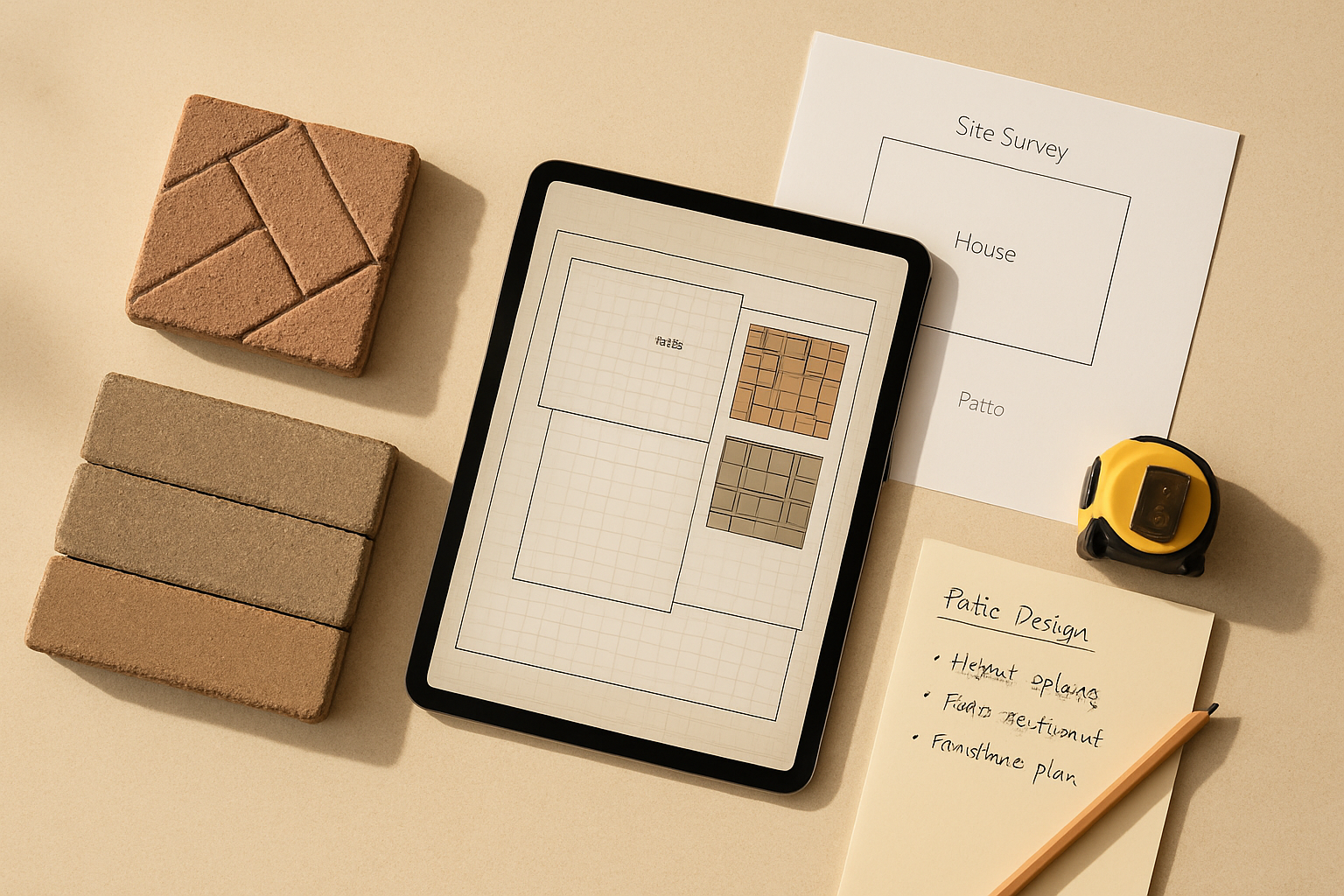
How to Plan a Professional Paver Installation in 2026
Professional paver installation succeeds or fails in the planning phase — before any bid arrives. Here's the 10-step homeowner planning checklist for 2026: define goals, walk the site, lock layout and materials, plan drainage, surface permits and HOA, set budget with contingency, time the season, vet contractors, lock design, and avoid the planning mistakes that surface during construction.
Read more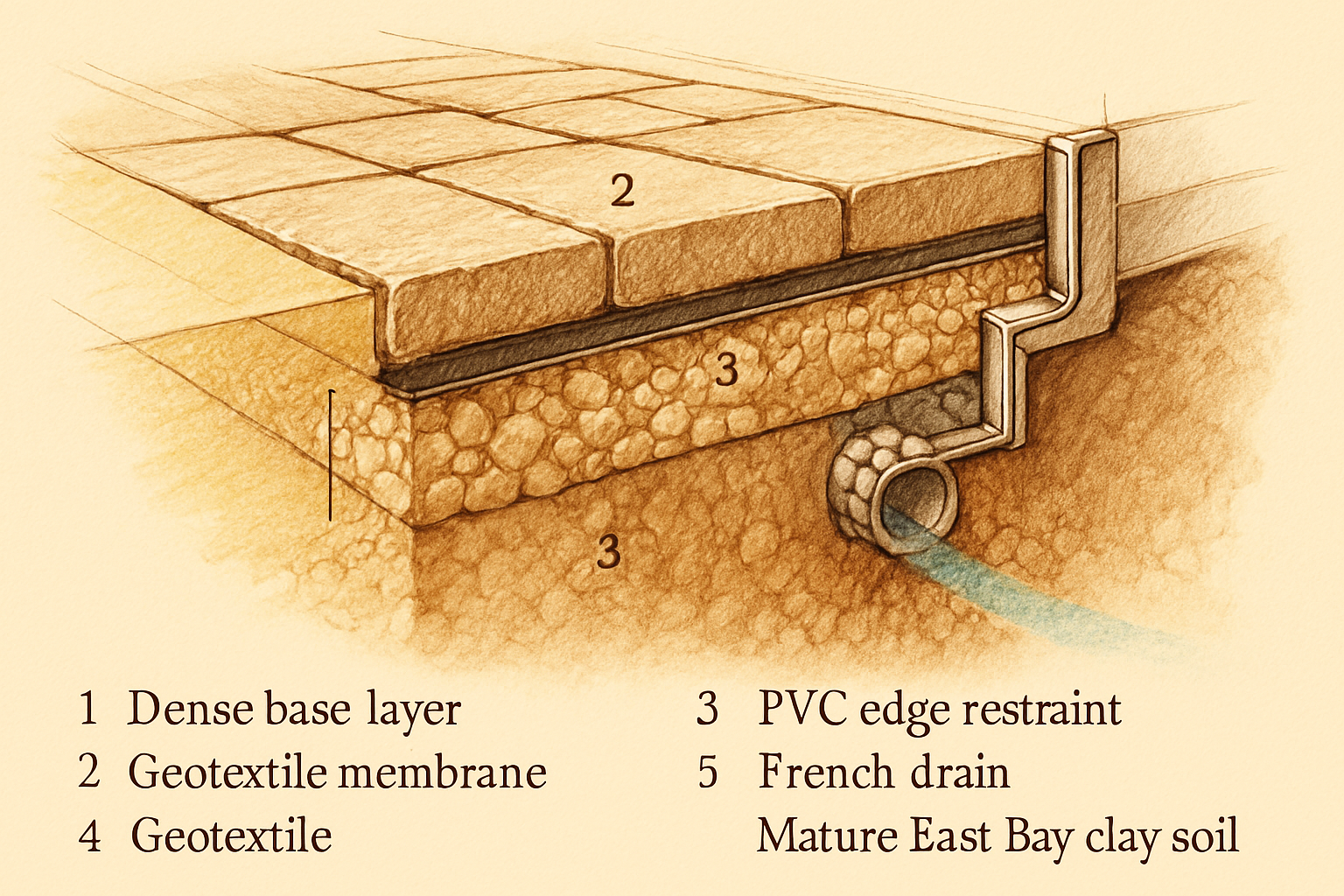
How Professional Paver Installation Prevents Drainage Problems
Professional paver installation prevents drainage problems through four engineered elements working together — surface grading at 1-inch per 8 feet, 8-10 inch base over geotextile, PVC edge restraints, and French drains routed for hillside conditions. Here's how each element prevents specific failure modes on East Bay clay-soil patios, walkways, and driveways.
Read more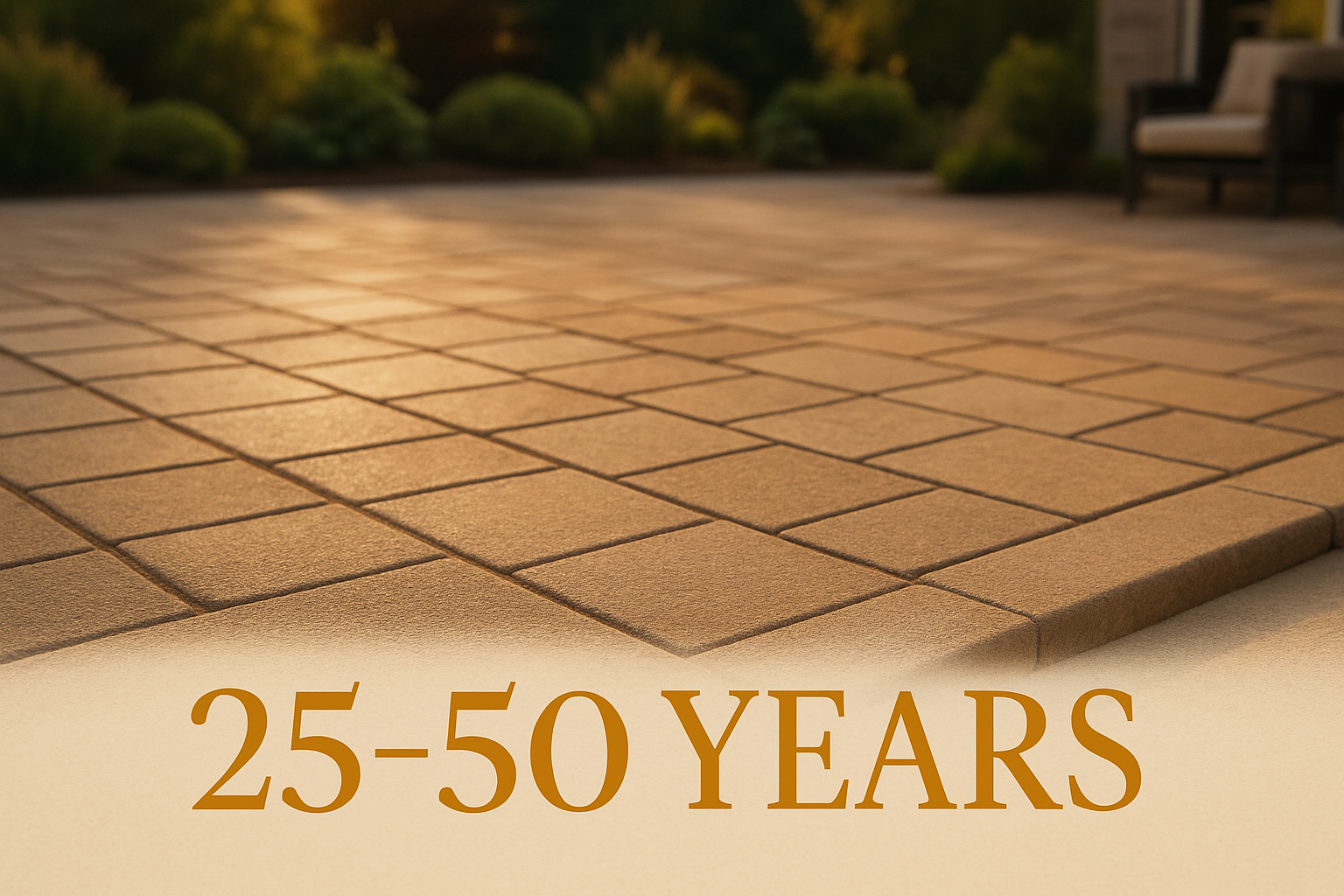
10 Ways Pro Paver Installation Improves Outdoor Living
Professional paver installation delivers 10 specific upgrades over amateur or cut-rate work — 25-50 year lifespan, vehicle-load capacity, level tolerance under 1/4 inch, clay-soil resilience, drainage integration, modular repairability, code compliance, resale recovery, material continuity, and verifiable warranty documentation. Here's each one with the impact on East Bay outdoor living.
Read more
How Professional Pavers Upgrade East Bay Outdoor Spaces
Professional paver installation differs from cheap or DIY installs in six measurable dimensions — base prep depth, drainage engineering, materials specification, edge restraint detail, polymeric sand discipline, and written workmanship warranty. Here's how each translates to upgraded performance on East Bay patios, walkways, and driveways.
Read more
How to Fix Driveway Pavers Uneven From Drainage
Fixing a paver driveway made uneven by drainage takes a 4-step diagnosis (puddle-map, joint inspection, edge restraint check, hollow-spot test) plus the right repair — resanding for joint washout, lift-and-reset for settled pavers, regrading or surface drains for pooling water. Here's the homeowner repair guide with DIY-vs-pro decision criteria for East Bay clay-soil driveways.
Read more
What Causes Driveway Pavers to Sink or Shift
Driveway pavers sink and shift for different reasons — sinking is vertical base failure (inadequate compaction, saturated subgrade, load exceeding capacity); shifting is lateral surface failure (missing edge restraints, washed joint sand, vehicle turning forces). Here's how to tell them apart, diagnose each on your East Bay driveway, and apply the right fix.
Read more
11 Driveway Paver Mistakes That Cause Cracks
Paver driveway cracks and settling come from 11 specific installation mistakes — inadequate base depth for vehicle loads, skipped geotextile, wrong aggregate, missing edge restraints, non-vehicular joint sand, and six more. Here's each mistake explained with time-to-failure and the prevention step homeowners can use to vet installers.
Read more
Driveway Pavers Cracking or Uneven in 2026
Driveway pavers crack or settle unevenly for 5 specific reasons — inadequate base compaction for vehicle loads, drainage failure beneath the base, edge restraint failure, wrong joint sand for vehicular use, and vehicle weight exceeding the base spec. Here's the diagnostic guide with fix-vs-rebuild decision criteria for East Bay clay-soil driveways.
Read more
10 Paver Upgrades That Raise East Bay Resale Value
Ten paver upgrades reliably raise East Bay home resale value — from a $3,500 pre-listing refresh to a $45,000 motor court overlay, each with specific ROI range, buyer appeal mechanic, and the right timing window before listing. Here's the actionable upgrade list with cost ranges and when to hire.
Read more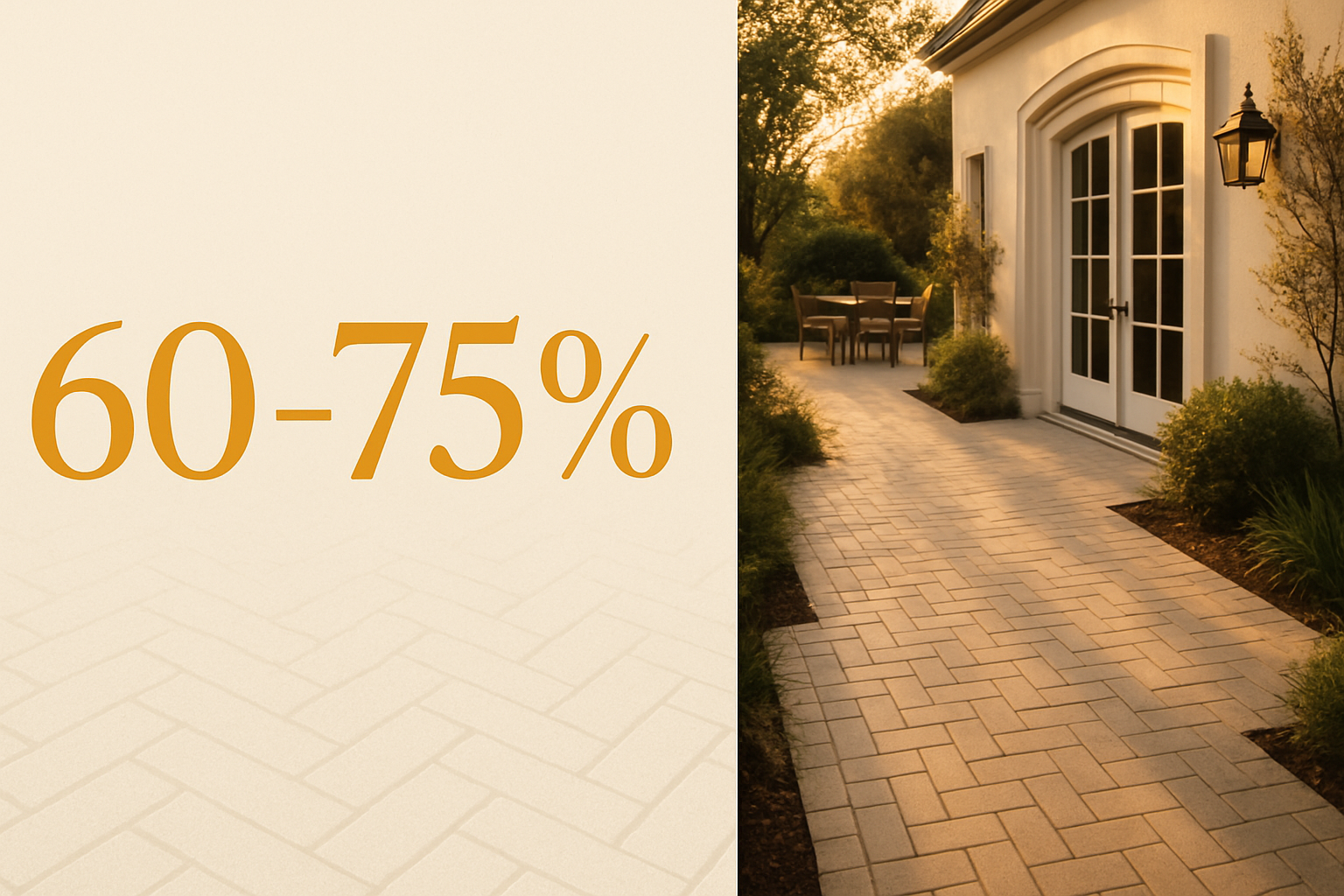
Do Paver Patios Increase Home Value in the East Bay?
Paver patios increase East Bay home value by 60-75% of project cost on average, recovering $20K-$45K of value on a typical $30K-$60K install — but only with proper installation, neutral design, and 1-3 year aging. Here's the data, the paver-vs-concrete value gap, and the design choices that protect resale outcomes.
Read more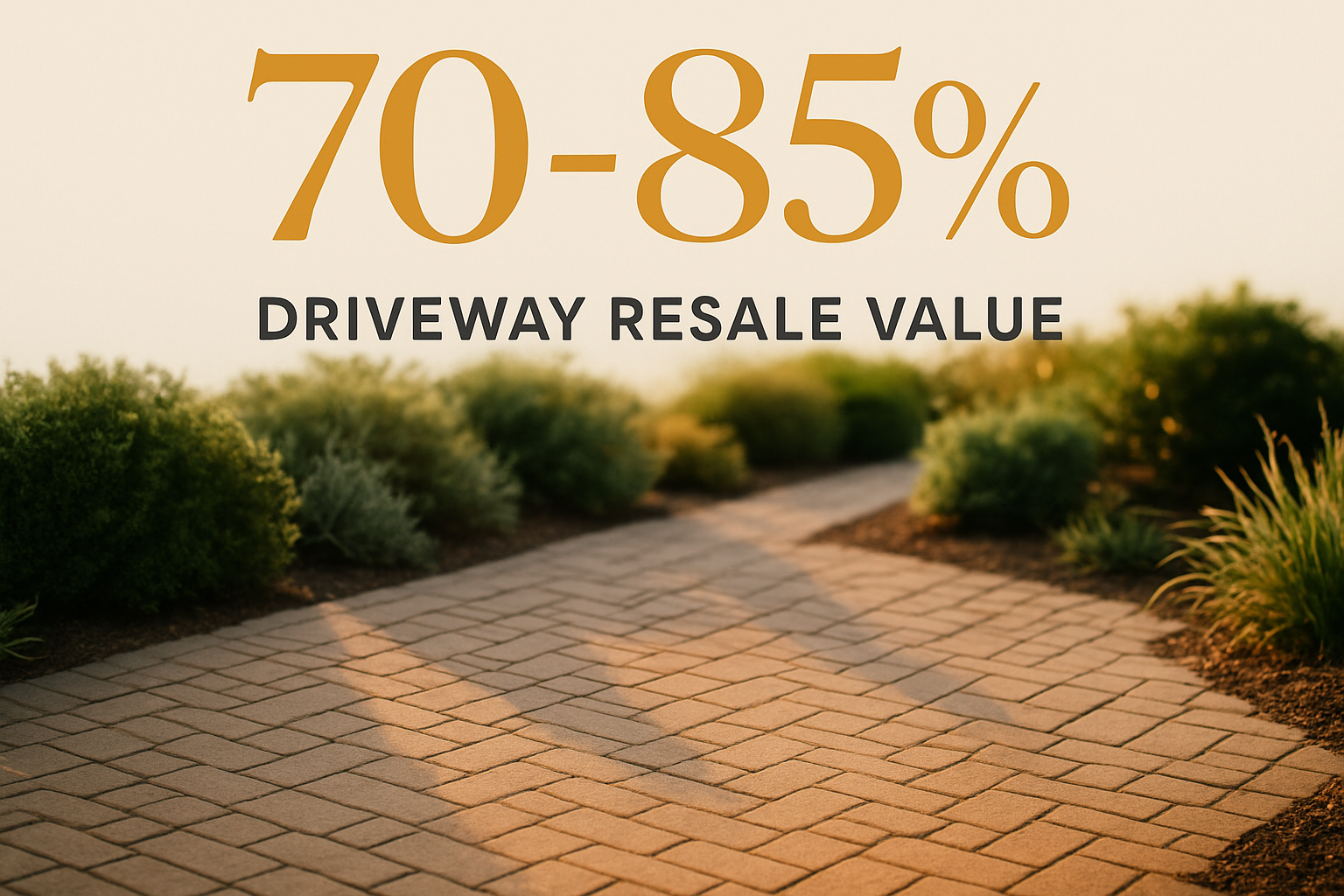
Paver Outdoor Living ROI for Home Resale in 2026
Paver outdoor living improvements in East Bay luxury markets return 50-85% of cost at resale in 2026 — paver driveways recover highest (70-85%), backyard features lower (30-65%). Here's the ROI range by feature, how East Bay appraisers actually value hardscape, and which design choices preserve resale value vs. hurt it.
Read more
13 Hidden Outdoor Paver Kitchen Costs in 2026
Outdoor paver kitchen bids miss 13 specific cost line items that surface during construction — gas line BTU upsizing, electrical sub-panel work, backflow preventers, permit fees, soil disposal, stone fabrication waste, and seven more. Here's each one explained with typical cost range and how to surface it in your bid before signing.
Read more
Outdoor Paver Kitchen Cost Overruns in 2026
Outdoor paver kitchen projects in the East Bay run over their initial budget by 20-40% on average — driven by scope creep, mid-build material upgrades, underbid utility work, buried subgrade conditions, and permit-driven engineering changes. Here's the cost-control playbook with line-item estimating, scope discipline, and the specific material and labor drivers that move the kitchen budget most.
Read more
10 Outdoor Living Build Coordination Bottlenecks
Outdoor living projects in the East Bay miss their schedule for 10 specific reasons — incomplete permit submittals, failed inspections, sub no-shows, material backorders, weather windows, hidden subgrade conditions, and four more. Here's each bottleneck explained with the time-and-cost impact and the practical fix.
Read more
How to Coordinate an Outdoor Living Build in 2026
Outdoor living builds in 2026 take 12-20 weeks from contract to walk-through and involve 3-5 trades, multiple permit pulls, and material lead times that can stretch 2-12 weeks. Here's the homeowner-side coordination plan that keeps your East Bay project on schedule, on budget, and on scope.
Read more
Hiring Contractors for Paver Kitchens and Fire Pits
Hiring outdoor living contractors for paver kitchens and fire pits requires different vetting than hiring a basic paver patio installer — these projects involve gas, electrical, and code compliance work most patio contractors aren't licensed for. Here's the 7-step guide to scoping, vetting, and bidding it correctly.
Read more
12 Features Full-Service Paver Patios Should Include
Full-service paver patio construction goes beyond pavers — engineered drainage, defined zones, outdoor kitchens, fire features, integrated lighting, shade, audio, and seven more must-have features. Here's the 12-feature checklist to scope your East Bay project and evaluate outdoor living companies confidently.
Read more
Budgeting a Large Paver Patio in 2026
A large paver patio (800-2,500 sq ft) in the East Bay costs $25,000-$75,000 in 2026, with most projects landing $35K-$55K. Here's the line-by-line budget breakdown — materials, labor, drainage engineering, soft costs, and contingency — plus how to scope your project before any contractor walks the site.
Read more
9 Questions to Vet a Paver Installer for Big Patios
Hiring a paver installation service for a large or complex patio comes down to nine questions — design capability, base and drainage approach, materials, timeline, references, warranties, change orders, licensing, and crew structure. Here's each one with what a great answer sounds like and what should make you walk away.
Read more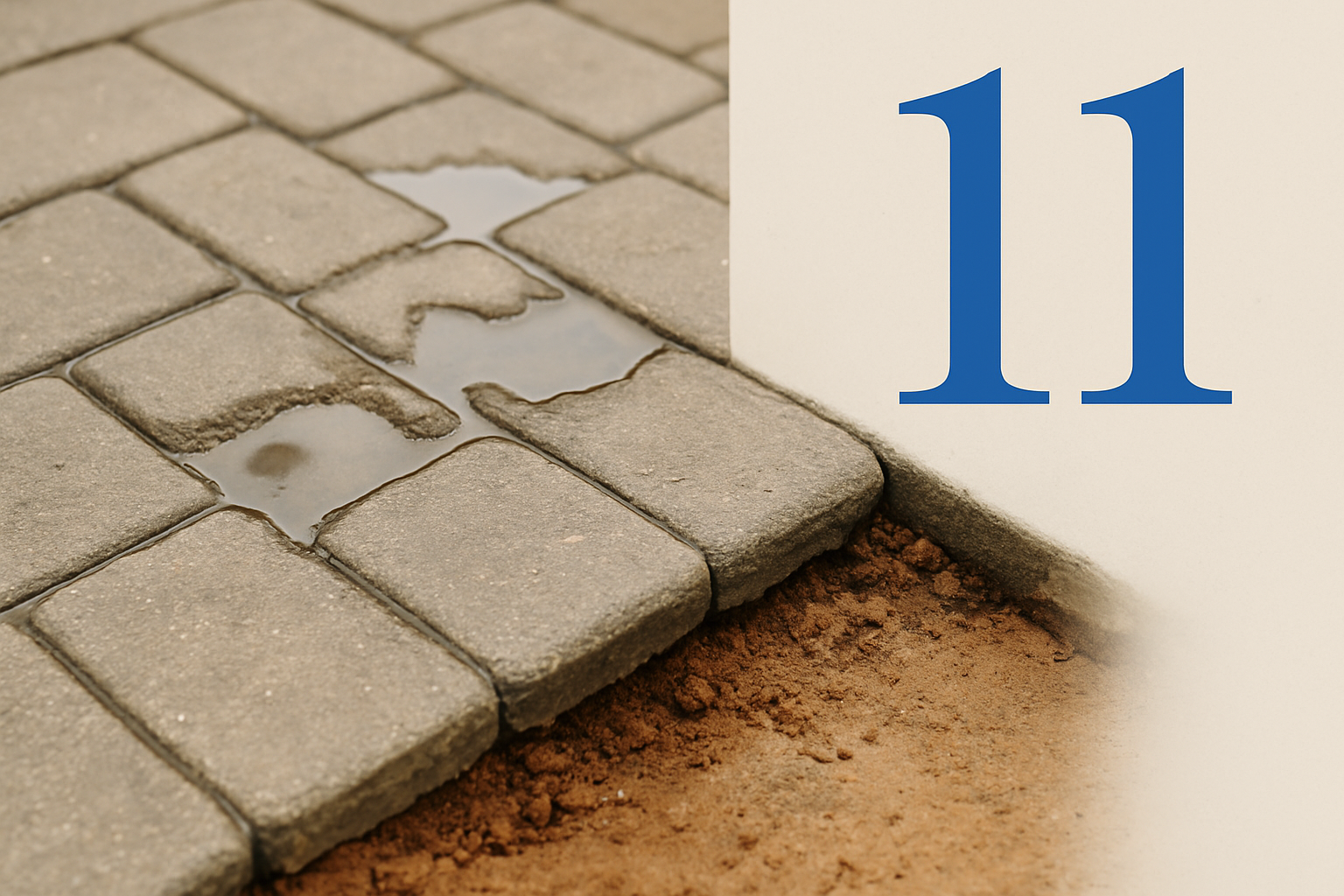
11 DIY Paver Patio Mistakes That Ruin Drainage
Paver patio drainage problems come from 11 specific DIY mistakes — flat grading, wrong base aggregate, missing French drains, mortared joints, and more. Here's each one explained with the actual fix, calibrated for East Bay clay soil and hillside lots.
Read more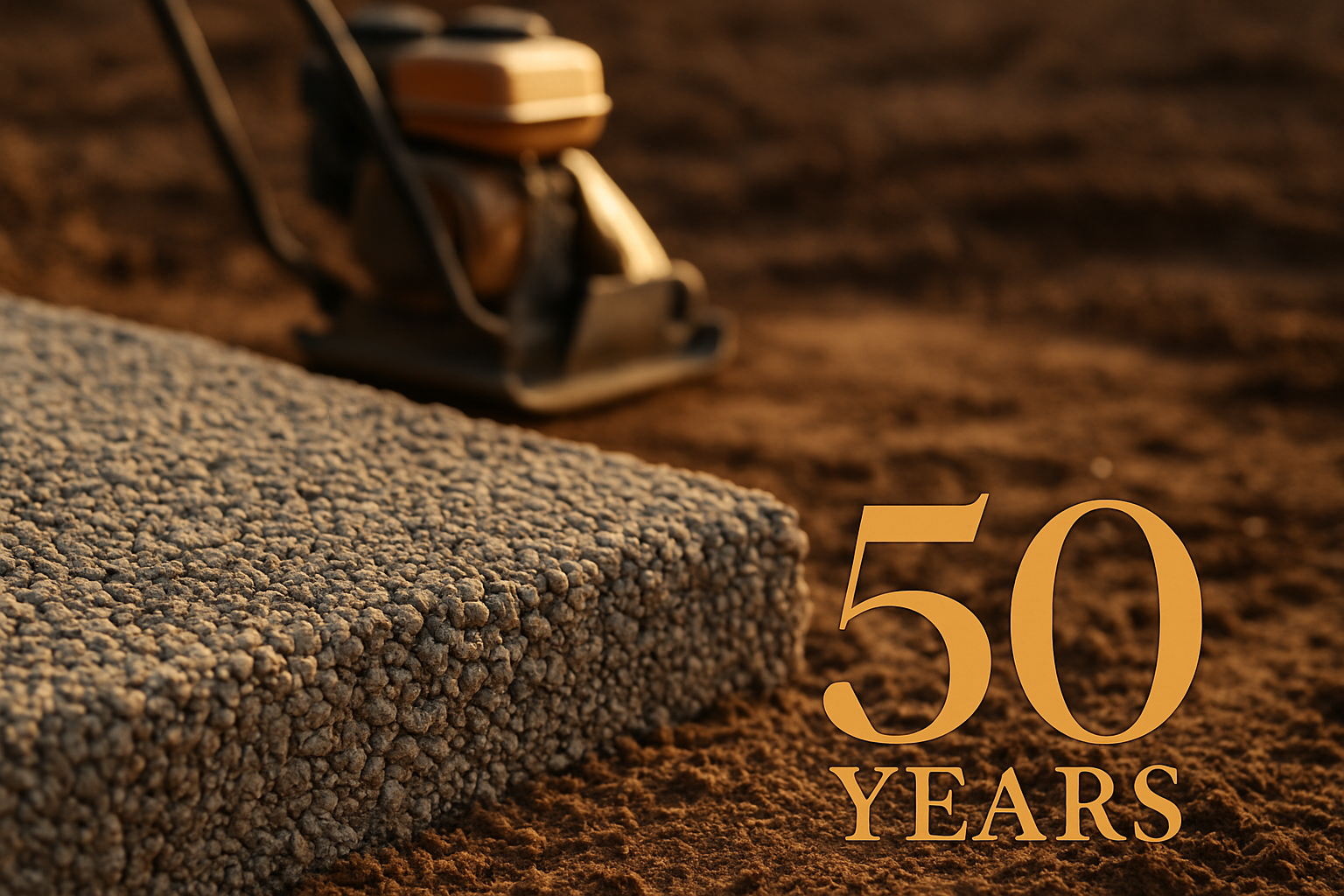
What Is Paver Base Compaction and Why It Matters
Paver base compaction is the single biggest determinant of whether a paver patio lasts 5 years or 50. Here's what it actually is, what equipment and technique it requires, and how to verify your contractor is doing it right on East Bay clay soil.
Read more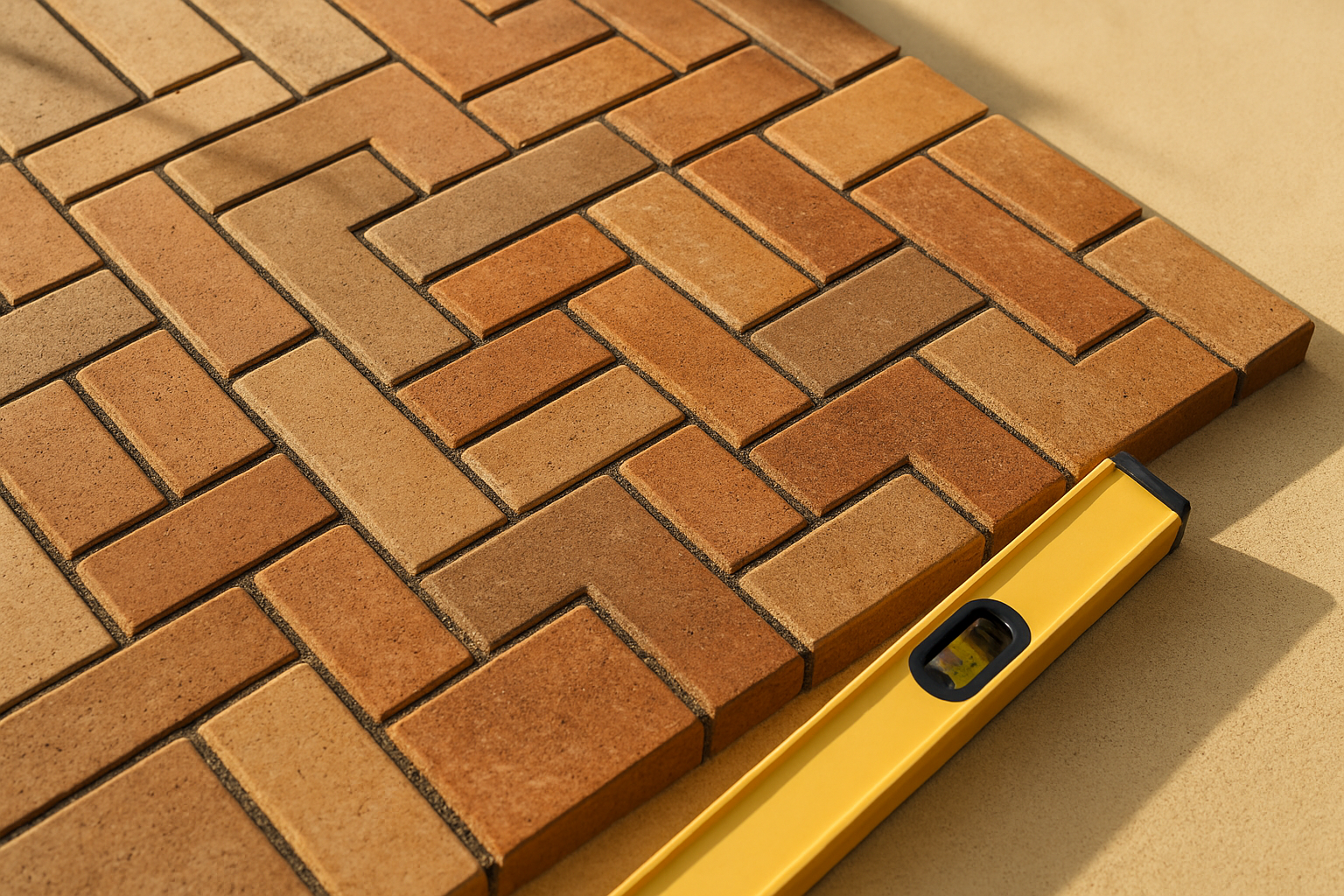
How to Install a Level Paver Patio That Won't Shift
A well-installed paver patio is a four-day, five-phase process — and every phase has a step that bad installers skip. Here's what a Lamorinda crew does on a Lafayette, Orinda, or Walnut Creek install day by day, with the homeowner punch list you can use to verify your contractor's doing it right.
Read more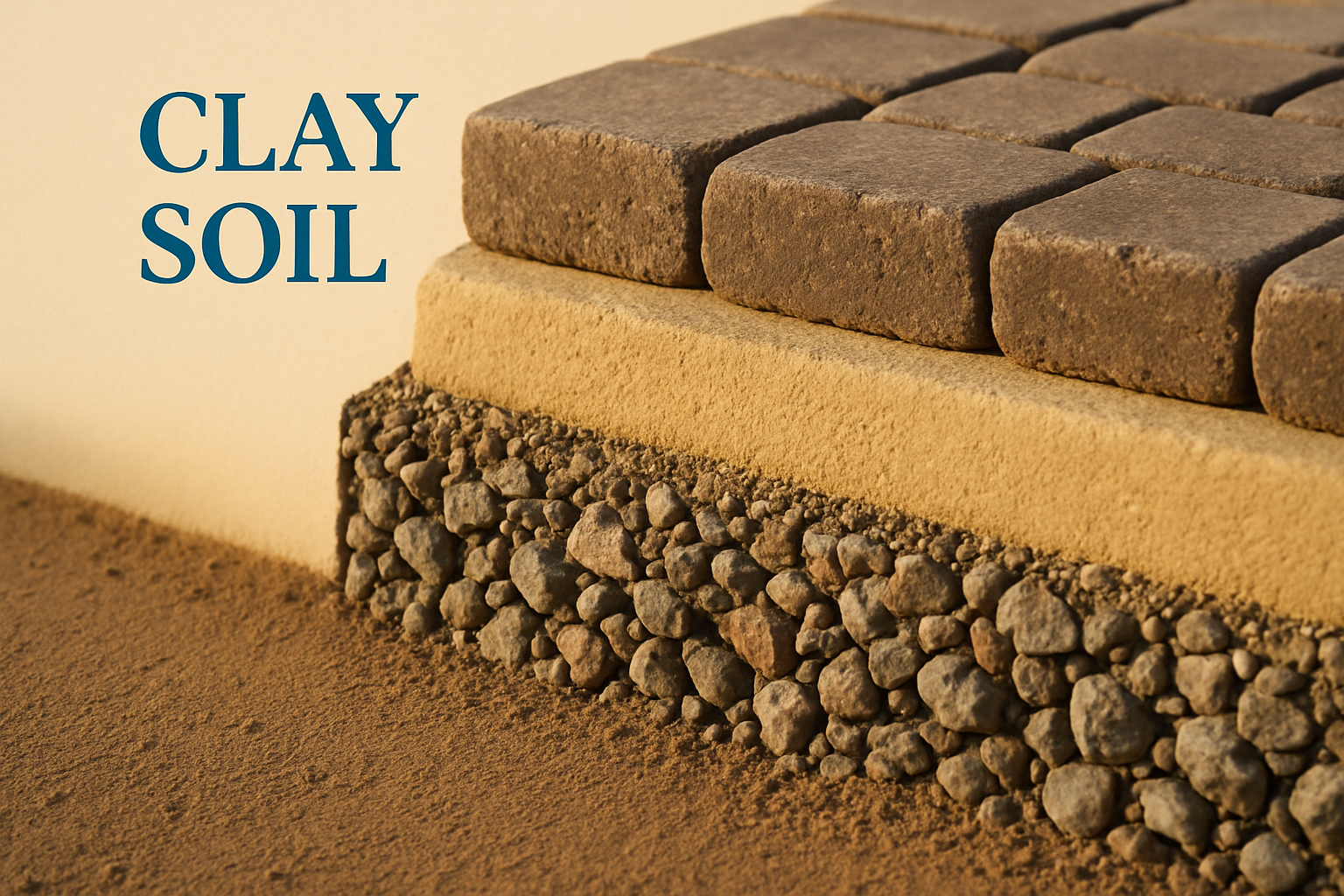
How to Prevent Paver Patio Sinking in 2026
Paver patios sink for a handful of fixable reasons — undersized base, poor grading, missing edge restraints, and the wrong joint sand. Here's what real-world installation does differently across Lafayette, Moraga, and Orinda's clay-soil lots in 2026.
Read moreReady to start your outdoor project?
Tell us about your property and we'll come walk it with you — free estimate, no pressure.
Request a free estimate